
Cruise vessel projects · Europe
Cruise ship refit, repair & outfitting teams.
Skilled trades for planned dry-dock periods, onboard repair and defined cruise-vessel refurbishment scopes.
RAM supports shipyards, contractors and vessel operators with piping, welding and fabrication, mechanical trades and outfitting personnel. Teams can work within your organisation or around an agreed subcontracted package; the project brief defines supervision, interfaces and acceptance.
Discuss a cruise-vessel scope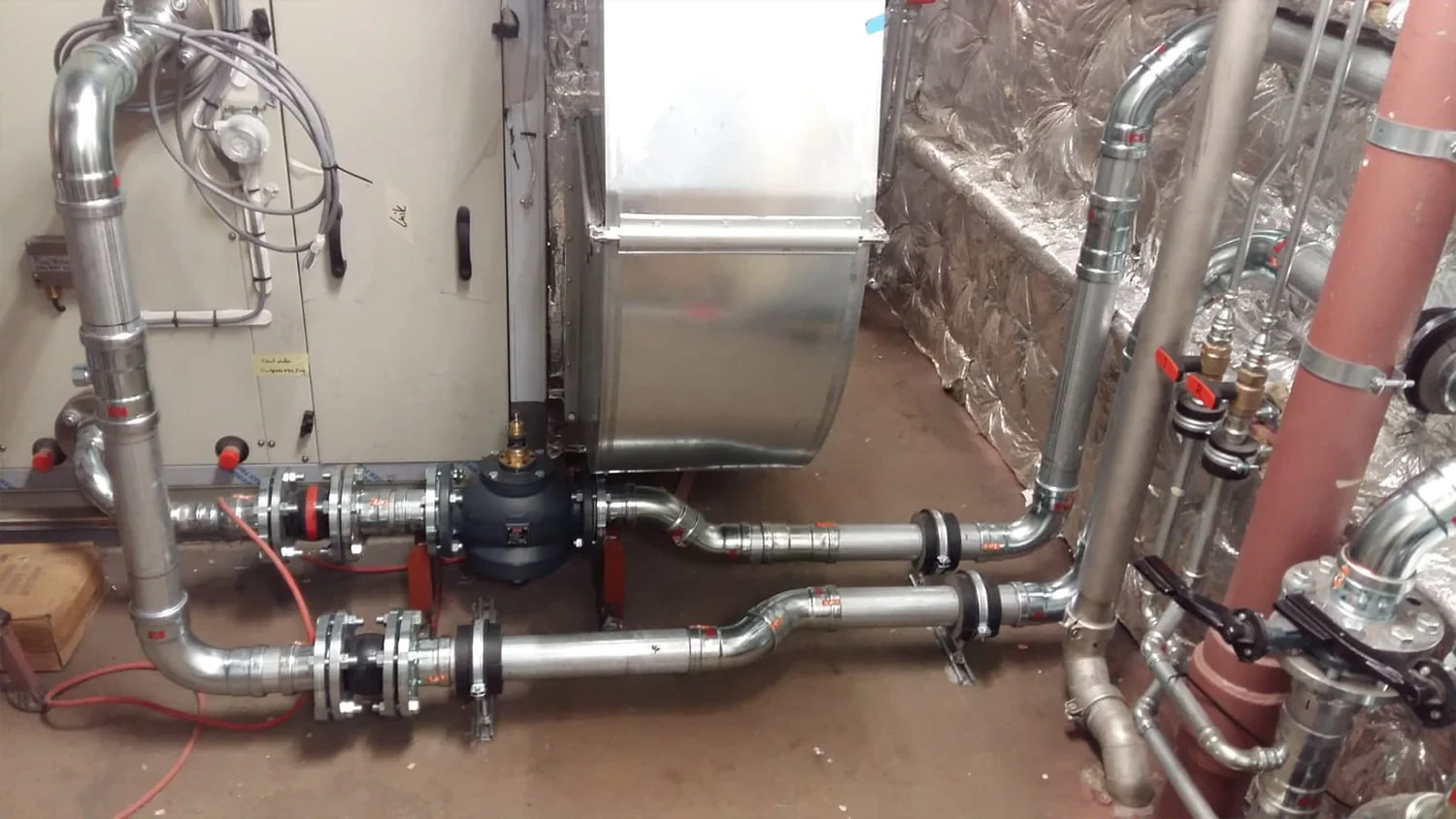
Technical scope
Trades coordinated around the vessel programme.
Piping renewal and modification
Pipefitters and welders can support fabrication, removal, installation, repair and modification of vessel piping. A useful enquiry identifies the system, materials, drawings, access conditions and testing or handover responsibilities.
The published piping and pipefitting capability covers workshop spools, onboard installation and repair. Where welding is included, process, material, position and qualification requirements must be stated separately.
Welding and fabrication
RAM supplies welding and fabrication trades for marine work in workshops, shipyards and onboard environments. Review the documented process range and qualification boundaries under welding and fabrication.
Outfitting and accommodation work
Refit programmes can combine technical outfitting with work in accommodation and service areas. RAM’s wider marine capability includes outfitting personnel and supporting trades; the exact rooms, systems, materials, finishes and division of responsibilities must be agreed for each project.
Mechanical support
Mechanical fitters and related trades may form part of an agreed repair or modernization team. RAM does not infer equipment, commissioning or OEM responsibilities from a general manpower request: asset lists, tolerances, documentation and acceptance criteria belong in the work package.
Dry dock and onboard execution
Plan the workforce around access, sequence and handover.
A dry-dock period concentrates many work fronts into a fixed window. The mobilisation plan should identify the vessel location, dates, shifts, access restrictions, required trades and the interfaces between RAM personnel and the shipyard, operator or other contractors.
For work continuing outside the yard, riding squads can support defined onboard assignments. The vessel’s operating status, route, accommodation, travel, permits and onboard authority structure must be clear before deployment.
RAM can supply personnel working under the client’s supervision or coordinate trades around contracted deliverables. The chosen model determines who sequences the work, supplies materials and tooling, controls inspection and accepts the completed scope.
Published evidence
A documented cruise-vessel pipework assignment.
What the evidence shows
RAM has published an anonymized cruise-vessel dry-dock pipework case study. The approved photography documents installed pipework, flanged valves and supports in a machinery-space environment.
The case study supports RAM’s pipefitting experience in a cruise-vessel dry dock. It is not presented as proof that every trade or every type of interior refurbishment was included in that assignment.
Related marine capability
Marine services provides the wider shipbuilding and repair context. Newbuild, outfitting and ship repair covers execution stages and related published work, while the project portfolio brings the available evidence together.
Client and vessel identities remain confidential. Procurement teams can discuss the published record and request project-appropriate personnel, qualification and HSE documentation.
Start with the work package
Define the refit window before the headcount.
Send the vessel type, location, dry-dock or sailing window, required trades and the work areas involved. Include drawings, specifications, shift pattern, supervision model and documentation requirements where available. RAM can then discuss a realistic team and delivery structure for the assignment.
Discuss your cruise project